
The Cyclades are the Greece of the imagination: whitewashed villages tumbling down brown hills, blue-domed churches, and a sea that shifts from turquoise to deep sapphire. They are also a superb place to sail, with reliable wind, islands close enough to hop between, and anchorages you can only reach by boat. This complete guide covers where to go, how the wind works, the best time to visit and how to plan a Cyclades charter that suits your crew.

Why sail the Cyclades?
No other Greek cruising ground packs in so much iconic scenery. Every island has its own face, from the cosmopolitan buzz of Mykonos to the volcanic drama of Milos and the quiet beauty of the Small Cyclades. The sailing is genuinely good too, with dependable summer wind that lets you sail rather than motor, and distances that are challenging enough to be rewarding without being exhausting. Best of all, a yacht unlocks bays, beaches and villages that day-trippers never see. For a taste of those secret spots, read our guide to hidden anchorages in the Cyclades.
Where are the Cyclades?
The Cyclades sit in the central Aegean, southeast of Athens, in a rough circle around the sacred island of Delos, which is where their name comes from. Most charters begin at Lavrion, near Athens, which faces the group directly and reaches the first islands in an afternoon. See our guide to sailing from Lavrion for the practicalities of starting here. Some sailors also begin from Paros or Naxos in the heart of the group, which suits those who fly into an island airport.
The islands, cluster by cluster
Kea and Kythnos: the western gateway
Closest to Lavrion, Kea and Kythnos are the perfect way to ease into a trip. Kea has the sheltered port of Vourkari and quiet coves, while Kythnos is famous for Kolona, a golden sandbar joining two beaches that is one of the loveliest anchorages in Greece. These islands are green and gentle, ideal for the first night or two.
Serifos, Sifnos and Milos: the volcanic west
Further southwest lie Serifos, with its dramatic hilltop chora, Sifnos, celebrated for its food and pottery, and Milos, a geological wonderland of coloured cliffs and sea caves. The white rock formations at Kleftiko on Milos, reachable only by boat, are a highlight of any Cyclades cruise. This western chain is quieter and more relaxed than the famous names to the east.
Syros and Tinos: elegant and authentic
Syros is the graceful capital of the Cyclades, with the neoclassical town of Ermoupoli and its marble squares, while neighbouring Tinos is known for its villages, marble craft and hearty food. Both feel authentically Greek and see fewer charter crowds than their glamorous neighbours.
Mykonos and Delos: glamour and history
Mykonos needs no introduction, with its windmills, whitewashed lanes and lively nights. It is best enjoyed by anchoring nearby and visiting for an evening rather than staying in the busy harbour. A short sail away lies Delos, an entire uninhabited island that is one of the greatest archaeological sites in Greece, birthplace of Apollo in myth and a UNESCO treasure.
Paros and Naxos: the heart of the group
Central and well connected, Paros and Naxos are big, beautiful islands with golden beaches, pretty ports and plenty to explore. The channel between Paros and Antiparos offers sheltered swimming, and Naxos has the striking marble Portara gateway framing its harbour. Both make excellent bases or mid-trip stops.
The Small Cyclades and the deep south
For peace and clear water, the Small Cyclades, Koufonisia, Schoinoussa, Iraklia and Donousa, are hard to beat, with empty beaches and a slow pace. Further south, Ios, Folegandros, Amorgos and the caldera of Santorini reward crews with more time, though Santorini itself is exposed and better admired than moored at.

Understanding the Meltemi
The Cyclades are shaped by the Meltemi, a dry northerly wind that blows through the summer and is strongest from mid-July through August. On the right heading it gives glorious, fast sailing, but when it is fresh it demands respect and a little experience. The key is to plan routes so the wind is behind or beside you, to start passages early before it builds, and to keep a sheltered island in reserve. A catamaran adds comfort in these conditions, and a skipper adds confidence. Read our dedicated guide to the Meltemi and Aegean winds before you go.
The best time to sail the Cyclades
May, June, September and early October are the sweet spots, with warm seas, lighter and more manageable winds, and far fewer crowds than high summer. July and August are hot and lively but bring the strongest Meltemi, so they suit experienced crews or those sailing with a skipper. For a full month-by-month view, see our guide to the best time to sail in Greece.
Sample routes
A classic week from Lavrion runs Kea, Kythnos, Syros, Paros and back, taking in gentle first islands and a taste of the central group. A more ambitious route pushes on to Mykonos and Delos, or turns southwest to Serifos, Sifnos and Milos. For a day-by-day plan, see our 7-day Cyclades itinerary from Lavrion. Whatever you plan, stay flexible, because the wind always has the final say in the Cyclades.
Anchorages and swimming
The Cyclades are full of memorable places to drop anchor: Kolona on Kythnos, the sea caves of Milos, the beaches of Koufonisia and countless coves that are empty by mid-afternoon. The water is clear and cool, refreshing after a warm day’s sail. Because the Meltemi can turn a calm bay lumpy, always choose anchorages with shelter from the north, and be ready to move if the wind shifts.
Which yacht for the Cyclades?
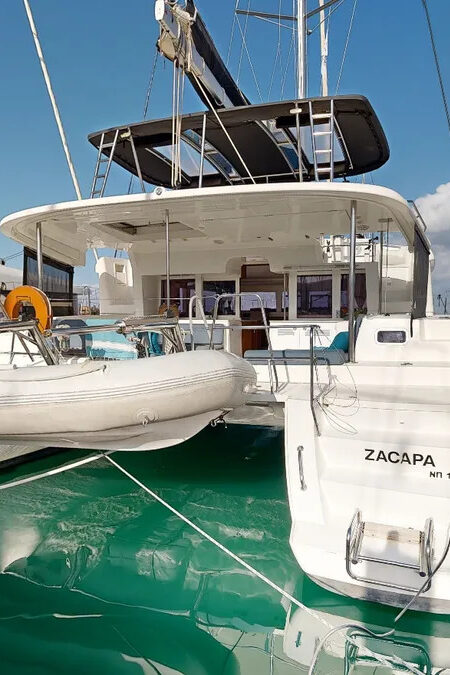
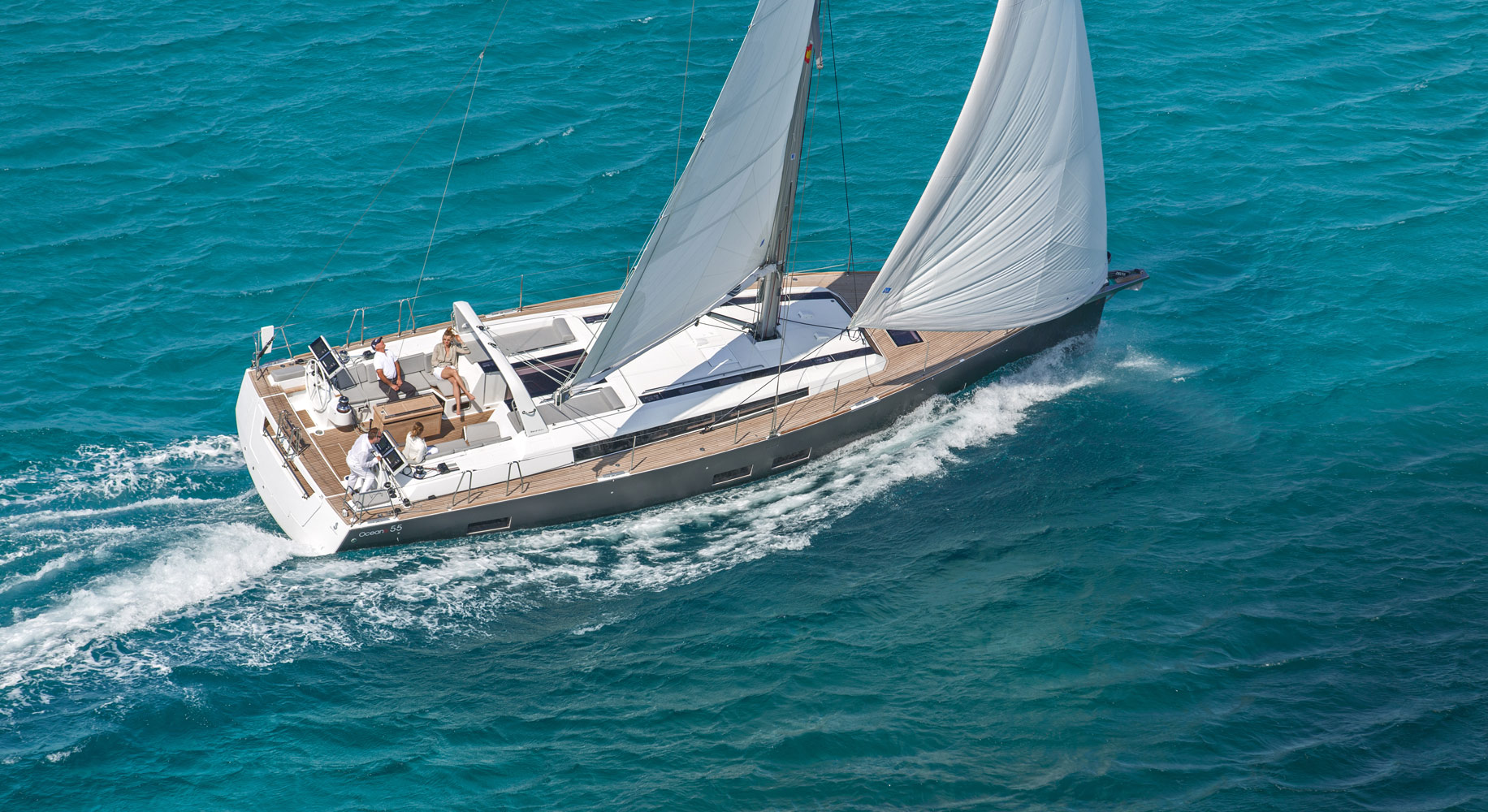
This is proper sailing country, so the boat matters. A capable monohull rewards keen sailors who want to make the most of the wind, while a catamaran keeps families and groups comfortable and stable on the longer, breezier legs. In high summer especially, many crews choose a catamaran or add a skipper. We will match the yacht to your experience and your route.
Who is a Cyclades charter for?
The Cyclades suit crews who want scenery, variety and real sailing, and who do not mind planning around the wind. Experienced sailors love the challenge and the reward, while less experienced crews can still enjoy it in the calmer shoulder season or with a skipper aboard. If your priority is the gentlest possible week, the Ionian may suit better, but for iconic Greek islands under sail, nothing beats the Cyclades.
Frequently asked questions
Is sailing the Cyclades difficult?
It can be demanding in high summer when the Meltemi is strong, but it is very manageable in the shoulder season or with a skipper. Good planning around the wind is the key.
How many islands can I visit in a week?
Typically four to six, depending on the wind and your pace. A week gives a satisfying taste of the western and central Cyclades.
Can I sail to Santorini?
You can sail near Santorini, but it is exposed with limited mooring, so it is better admired from the water or visited briefly. Most crews focus on the central and western islands.
Where should I start a Cyclades charter?
Lavrion, near Athens, is the classic starting point because it faces the group and reaches the first islands fastest. Paros and Naxos are alternatives from the middle of the group.
Dreaming of the Cyclades? Explore the Cyclades destination and our fleet, or tell us your dates and we will plan the perfect Aegean week.